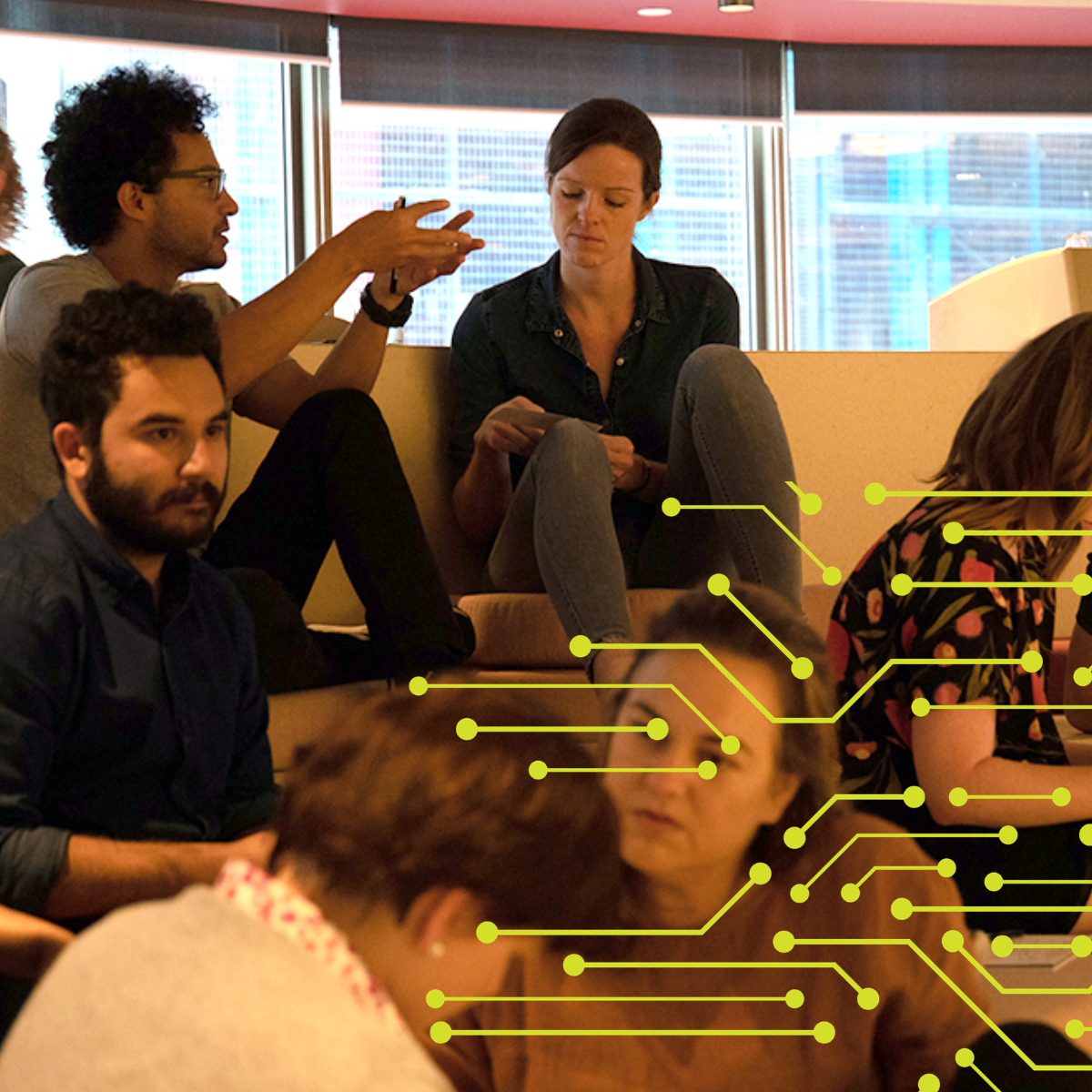
This stage is characterised by a growing pressure to move, but a lack of unity around next steps.
There may be pockets of experimentation and enthusiasm, and of scepticism and resistance.
Leaders may feel the urgency, but not yet have the shared language, confidence, or direction to know what to do next.
At this stage, the risk is not only moving too slowly.
It is moving without a clear view of what AI makes possible, what it asks of your people, and what your organisation is trying to become.
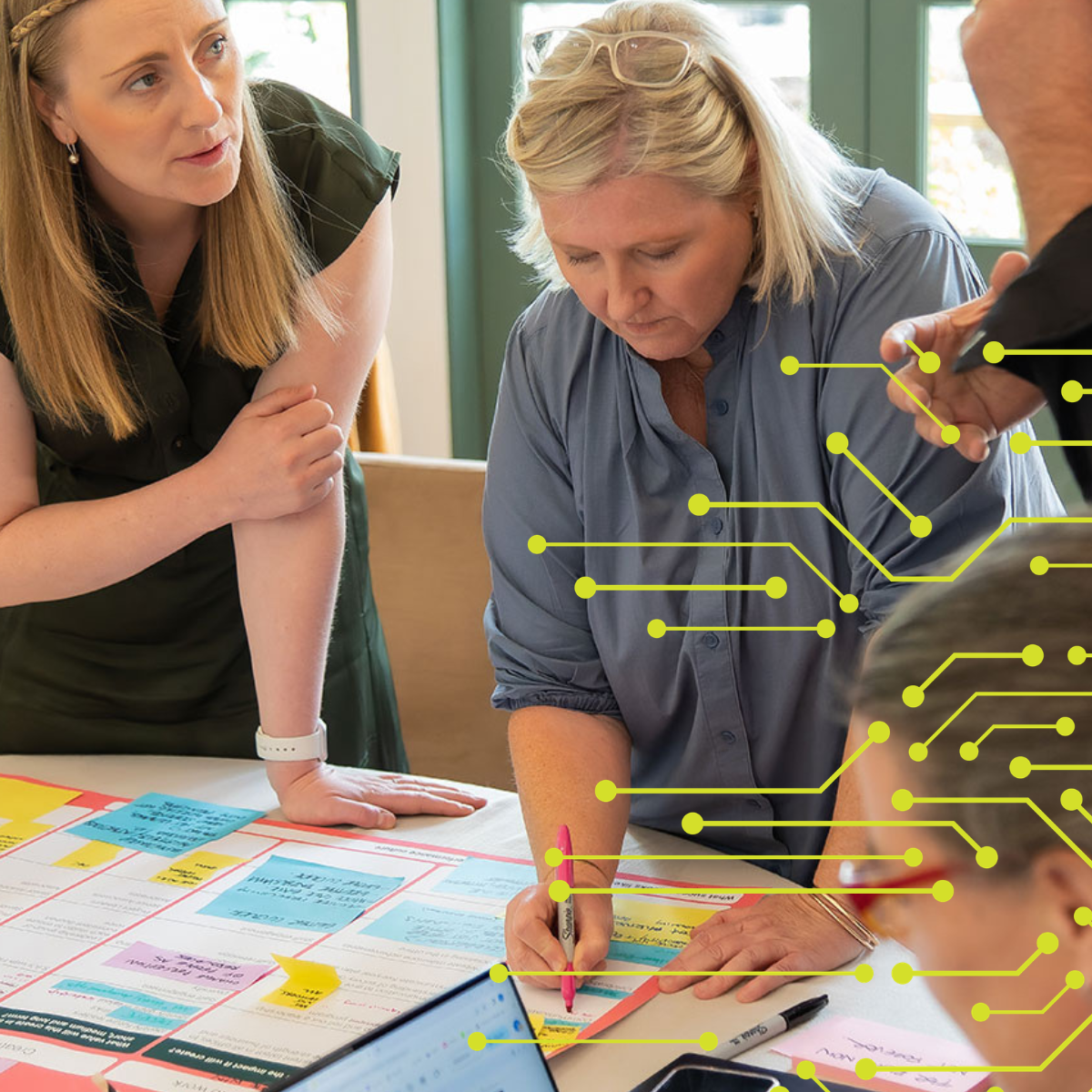

Before strategy, there needs to be a shared story. One that helps people make sense of what is shifting, why it matters, and what it asks of them.
When the organisation has a clear view of where AI creates value and where humans must lead, it becomes possible to develop an AI strategy.
We help you develop a strategically integrated plan that gives people a clear direction, a shared set of priorities, and the confidence to act.
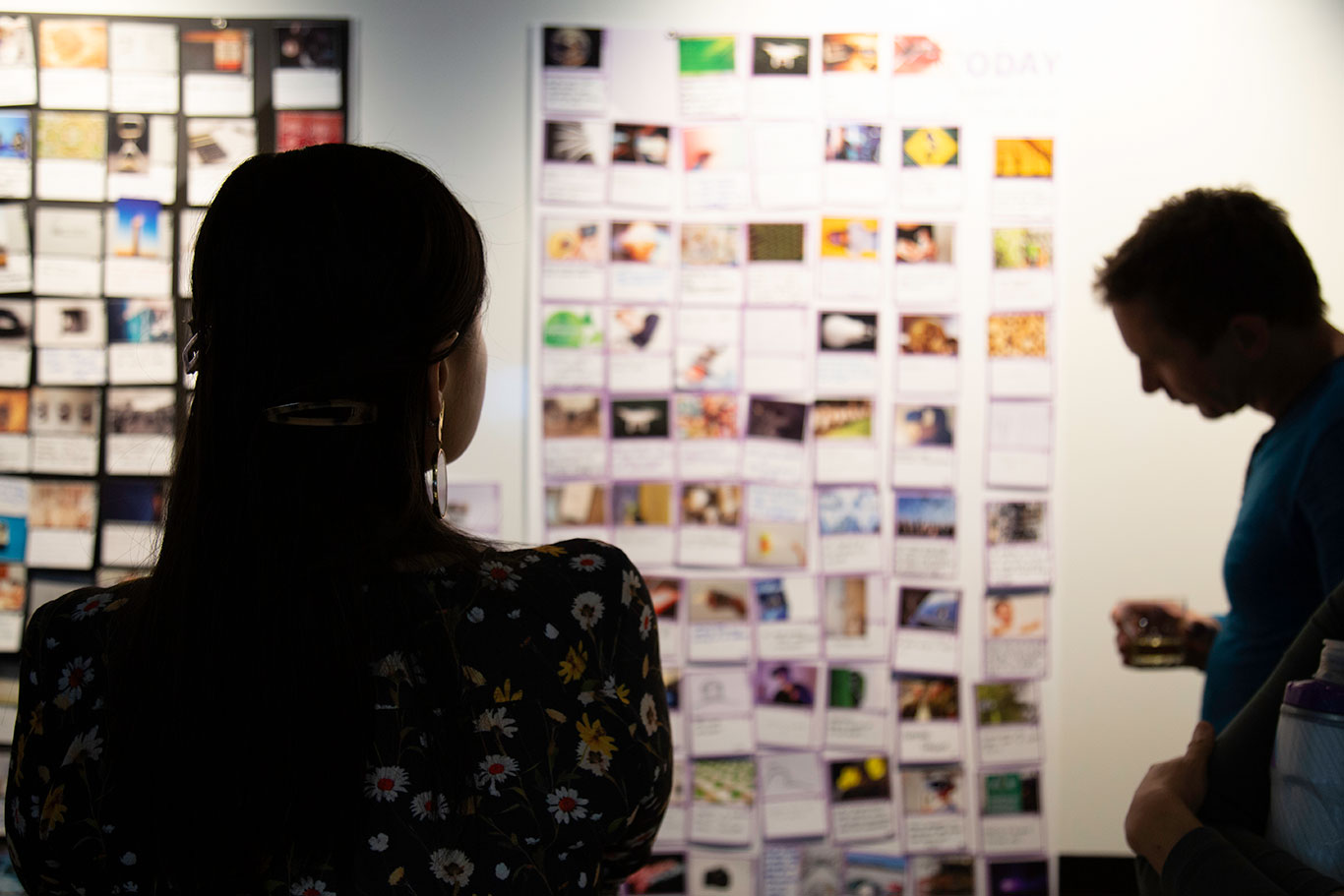
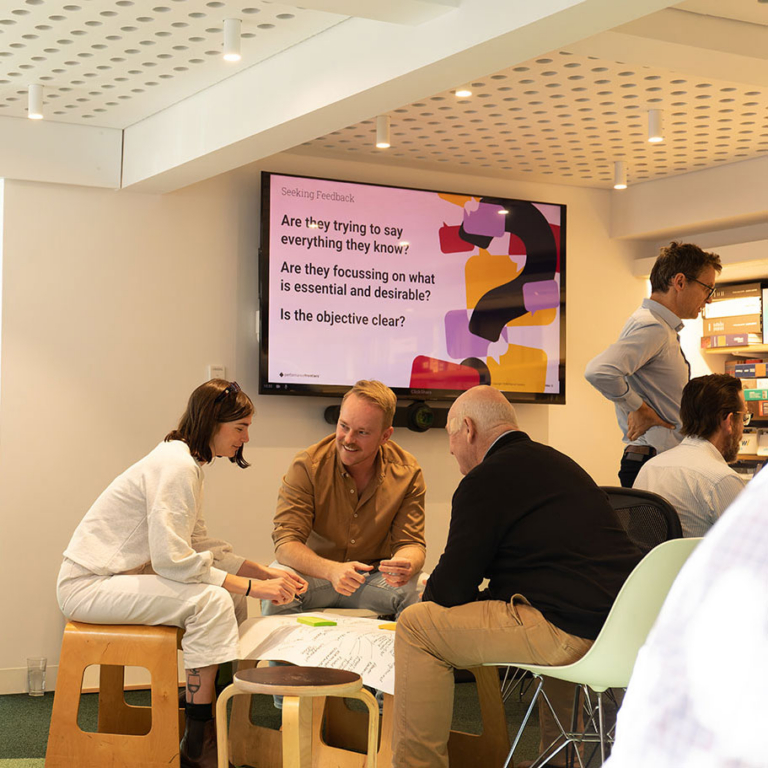
The first step is to bring people into alignment. To shift from reactive, uneven implementation, we help leaders and teams make sense of the opportunity and orient people around a shared story of the future.
Once there’s a shared view of the challenge and the opportunity, we help organisations move into deliberate design, grounded in your context, your people, and what you’re trying to build.
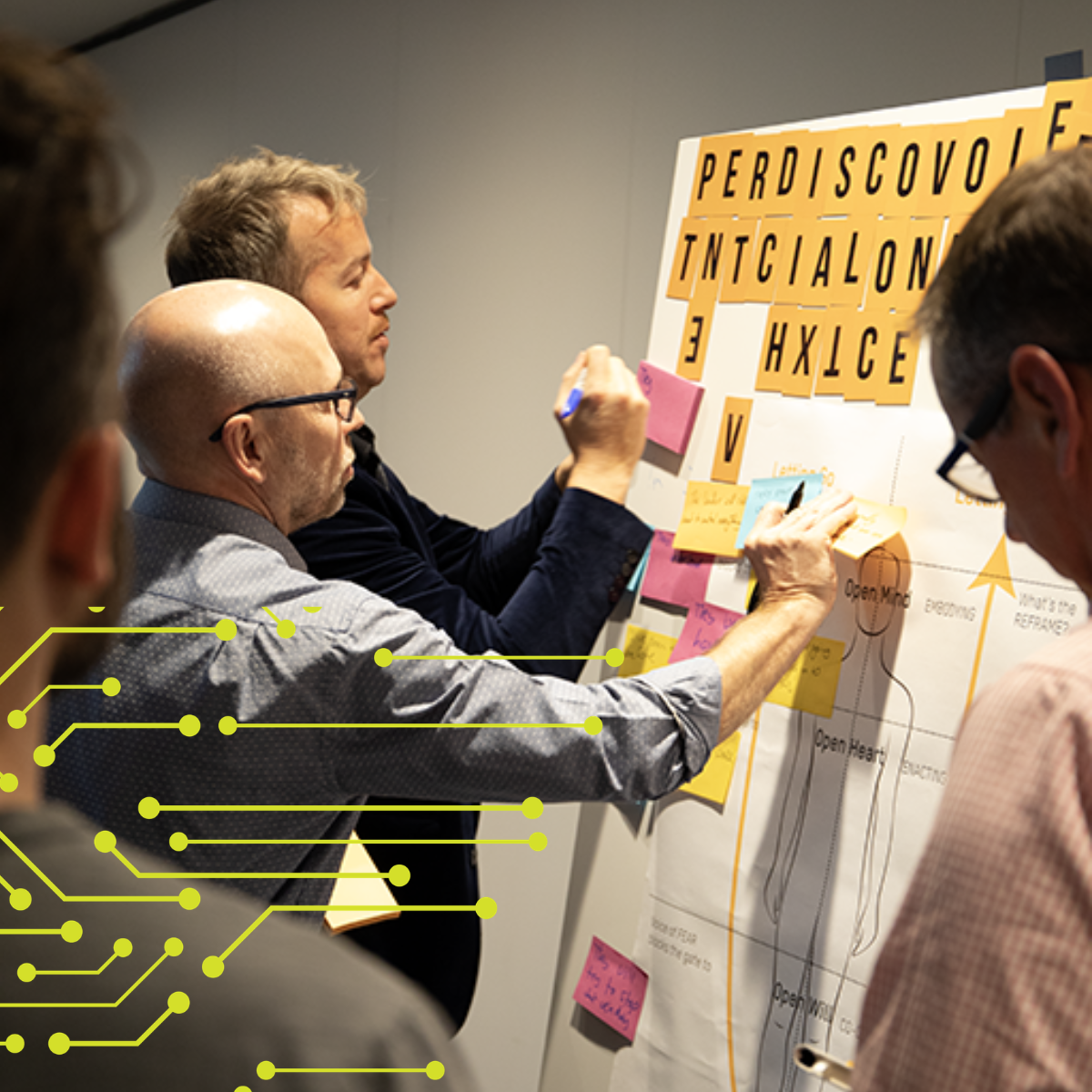
“We have a strategy and we are moving. But the value we expected is not fully landing yet. Our people are at different stages, and the human side of the change is harder than we anticipated.”